© 2005-2013 Serena Samborski
 |
 |
 |
||
 |
||||
 |
||||
 |
 |
|||
 |
||||
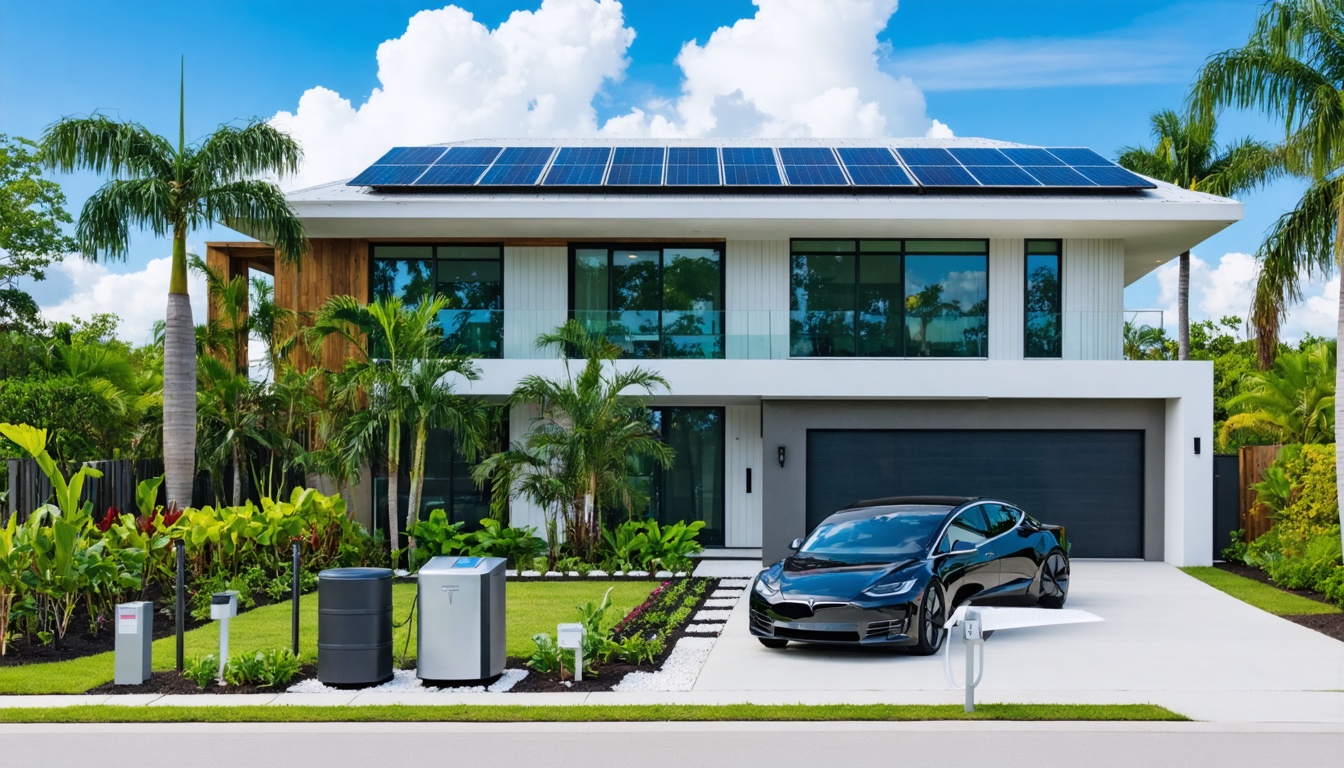 What a More Resilient Home Energy Plan Looks Like in Palm Bay, FloridaLiving in Palm Bay, Florida, requires careful consideration of energy solutions due to the region's climate challenges, including the potential for hurricanes and high summer temperatures. An effective home energy plan should prioritize efficiency and resilience. Options to explore include solar power installations and enhancing the weatherization of living spaces. Solar power can be a viable option for many homeowners, especially with Florida's abundant sunlight. When evaluating the feasibility of solar, it is essential to consider initial installation costs, potential long-term savings on electricity bills, available tax incentives, state-specific rebates, and net metering policies that may affect return on investment. Similarly, weather-proofing measures, such as reinforcing windows and doors and improving insulation, can enhance a home's resilience against severe weather events. These improvements can help reduce energy consumption and minimize damage during storms, potentially lowering repair costs in the aftermath of a hurricane. Before making decisions regarding energy sources and modifications, homeowners should also analyze local energy trends, including utility rates and grid reliability. Understanding the regional energy landscape can assist in identifying the most prudent choices tailored to individual circumstances. In summary, a comprehensive energy plan in Palm Bay should factor in both renewable energy options and protective measures to ensure efficiency and robustness against the local climate, while also assessing economic implications and local trends. Solar Power Adoption in Palm BayPalm Bay benefits from an average of 5.6 peak sun hours per day, positioning it favorably for solar panel installation. For residents exploring solar options, consulting with a local expert like the Palm Bay Solar Company can provide tailored solutions. Since residents in Brevard County primarily use Florida Power & Light (FPL), it is practical to consider a solar system that could potentially offset around 100% of annual electricity consumption. A system sized at approximately 10.53 kW has been suggested, and such an installation could yield meaningful financial savings, estimated at $84,000 over a 25-year span. Florida’s solar policies further facilitate these savings, particularly through full-retail net metering. This policy allows solar homeowners to receive credits for the surplus electricity they generate and feed back into the grid. Additionally, there are sales tax exemptions on solar equipment, lowering the overall cost of solar investments. Battery storage solutions can also contribute to enhanced energy independence, providing more reliable access to electricity during outages and maximizing the utility of generated solar energy. Moreover, various financing options, such as programs from Palmetto and the LightReach lease, allow homeowners to integrate solar technology without significant upfront investments. These financing vehicles can lead to immediate savings and promote more stable monthly energy expenses, making solar energy a viable consideration for many Palm Bay residents. Assessing Solar Panel Costs and OptionsThe cost of installing a solar energy system in Palm Bay is significant, with a standard 10.53 kW system typically priced around $28,316. This system has the capacity to cover approximately 100% of a household's electricity needs in Brevard County. Homeowners who choose solar energy may save an average of $193 monthly, which can accumulate to approximately $84,000 over 25 years. For financing options, the LightReach lease program is available, allowing homeowners to benefit from savings from the outset without an initial payment, although they will need to make fixed monthly payments following the start of the lease. Furthermore, the financial viability of solar energy installations in Palm Bay is bolstered by several incentives, including a sales tax exemption and access to the Property Assessed Clean Energy (PACE) Loan Fund. Additionally, the region's climate is conducive to effective solar energy generation, making Palm Bay a practical option for homeowners considering solar power. Understanding Palm Bay’s Electricity TrendsElectricity rates in Palm Bay have experienced a notable increase, an important factor for households in their energy expense planning. According to data from the Energy Information Administration, average electricity rates in Palm Bay and Brevard County have risen from 11.9 to 14.1 cents per kilowatt-hour, marking a 26% increase in recent years. This upward trend is largely attributed to the area’s dependence on natural gas and fluctuations in costs from major utility providers, including Florida Power & Light (FPL), Duke Energy Florida, and Tampa Electric. As a consequence of these rising rates, households may encounter variability in their monthly electricity bills. In light of this development, many homeowners are exploring alternative energy solutions, such as solar panels and battery storage systems. These technologies could potentially mitigate energy costs by enabling users to offset retail electricity rates and achieve more stable savings. Additionally, the implementation of these solutions may provide immediate financial benefits, allowing homeowners to begin reducing their electricity expenses shortly after installation. Reviewing Palmetto Customer ExperiencesA review of customer experiences with Palmetto indicates a generally positive reception among local homeowners regarding the transition to solar energy. Feedback emphasizes Palmetto's effectiveness in providing clear communication and efficient installation processes, frequently achieving project completions ahead of the anticipated schedule. In Brevard County, specifically within Palm Bay, homeowners have noted the benefits of stabilizing electricity costs per kilowatt-hour (kWh) and experiencing immediate savings. The region's favorable solar conditions contribute to these savings, enabling residents to benefit from reduced energy expenses from the outset. Palmetto's system management tools and mobile application allow users to monitor solar energy production and calculate potential offsets to their current electric bills. Additionally, the provision of reliable battery storage helps mitigate issues during power outages, offering an added layer of security for homeowners. The company's LightReach lease program is designed to provide fixed monthly costs with minimal maintenance requirements. This model allows homeowners to begin realizing savings without the burden of a substantial upfront investment or ongoing tax liabilities associated with ownership. Overall, local homeowners appear to appreciate Palmetto's structured approach to solar energy adoption, along with the economic advantages it presents in a sunshine-rich locale. Exploring Florida’s Solar IncentivesFlorida provides several solar incentives that may benefit homeowners looking to enhance energy efficiency. The state has established policies such as a 100% sales tax exemption on solar equipment and a property tax exemption for any increase in residential property value due to solar installations, both of which are set to remain in place until 2037. Furthermore, Florida’s full-retail net metering policy allows homeowners to earn credits for excess electricity produced by their solar panels, thereby lowering their monthly energy bills. Several financing options are available, including the Solar & Energy Loan Fund and Property Assessed Clean Energy (PACE) programs, which can assist homeowners in accessing solar technology from the start of installation. In particular, Brevard County’s favorable climate contributes to effective solar energy production, rendering solar investments more appealing for residents in that region. Collectively, these incentives substantiate the practicality of adopting solar energy for homeowners in Florida. Enhancing Home Efficiency with WeatherizationWeatherizing a home in Palm Bay is a practical approach to reducing energy expenses. The Brevard County Weatherization Program offers homeowners various services aimed at improving energy efficiency, such as insulation installation, sealing air leaks, and adding insulation to water heaters. Research indicates that these actions can lead to a significant decrease in electricity consumption, which is relevant to the typical usage patterns of Florida homes. Homeowners participating in the program may notice a reduction in their utility bills from providers including Florida Power & Light, Duke Energy, or Tampa Electric. A noteworthy aspect of this program is that it does not require any upfront costs from participants, allowing homeowners to benefit from these improvements without an initial financial burden. Enhancing home efficiency through these weatherization measures can lead to both financial savings and improved comfort levels, regardless of the home's size. For residents in Palm Bay, which experiences a warm climate, the implementation of these weatherization strategies can result in quantifiable reductions in energy use, thereby contributing to better overall home performance. This approach aligns with broader objectives of energy conservation and efficiency enhancement in residential settings. Evaluating Solar Leasing Versus OwnershipWhen considering the choice between leasing or purchasing a solar energy system for residential use in Palm Bay, it is essential to analyze the financial and practical consequences of each option. A solar lease, such as the LightReach lease from Palmetto, offers homeowners the opportunity to gain immediate savings on energy costs through a fixed monthly payment with no upfront investment. Conversely, owning a solar system outright can result in considerable long-term financial advantages, with an average estimated savings of about $84,000 over a 25-year timeframe. It is worth noting that ownership may also provide additional benefits, such as exemptions from certain sales and property taxes related to solar installations. In Brevard County, known for its favorable solar conditions due to abundant sunshine, homeowners who opt for ownership can expect their systems to fully offset retail electricity rates after an average payback period of around 10.4 years. However, potential buyers should recognize that ownership involves ongoing responsibilities, including maintenance and repairs, which are generally handled by the leasing company in a lease agreement. Consequently, the decision between leasing and ownership should be based on the homeowner's specific financial situation and their preparedness to maintain and manage a solar energy system independently. ConclusionTo develop a more resilient energy plan for your Palm Bay home, consider implementing strategies centered on solar energy adoption, effective weatherization, and efficiency upgrades. Conduct research on Florida's available incentives for solar installations to determine whether leasing or owning solar panels aligns better with your financial situation and long-term goals. Remaining informed about local energy trends can play a crucial role in adapting to both routine energy demands and unforeseen circumstances. Engaging with community resources, such as local energy efficiency programs or utility offerings, can further enhance your preparedness. By taking these practical steps, you can better manage energy costs, promote sustainability, and improve the reliability of your home's energy supply. |
||||
[email protected] |
|
|
|
|